
Here’s the system, running.

I build and run Meta campaigns for web, SEO and design agencies. Every screen below is from a live client account, names removed. First 30 days free.
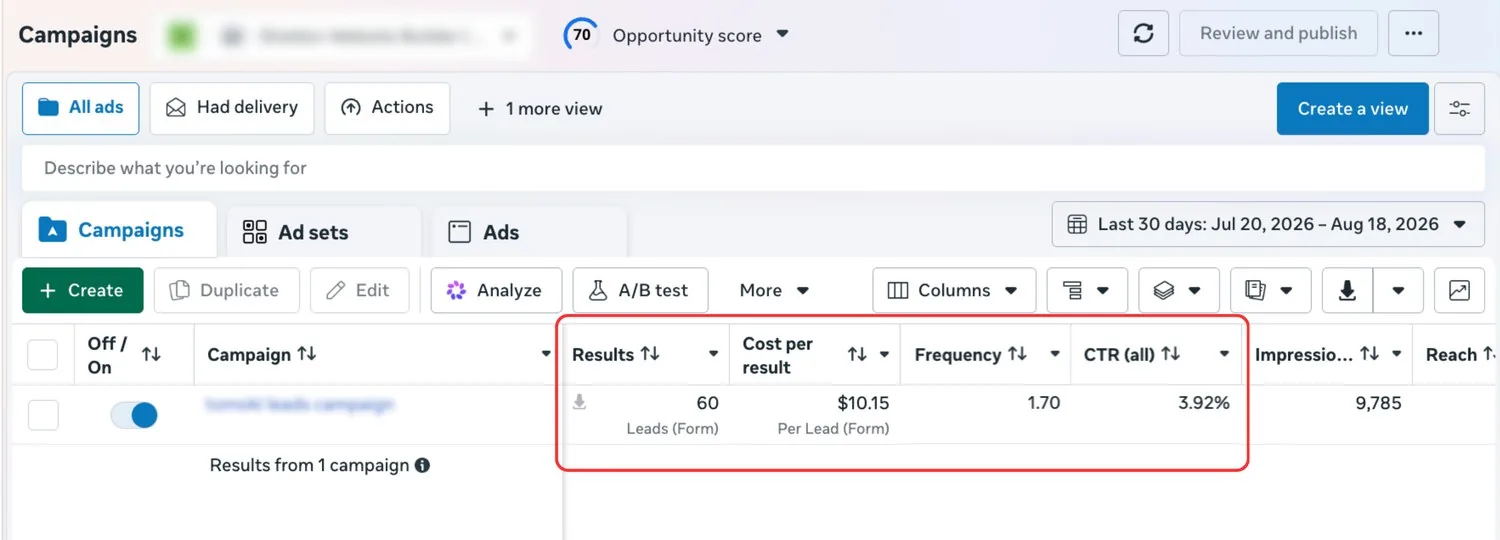
Ads Manager: 60 leads at $10.15 per lead
Ads Manager, Sheldon’s campaign, last 30 days.
7:42
Tuesday, October 13
7:42
Messagesnow
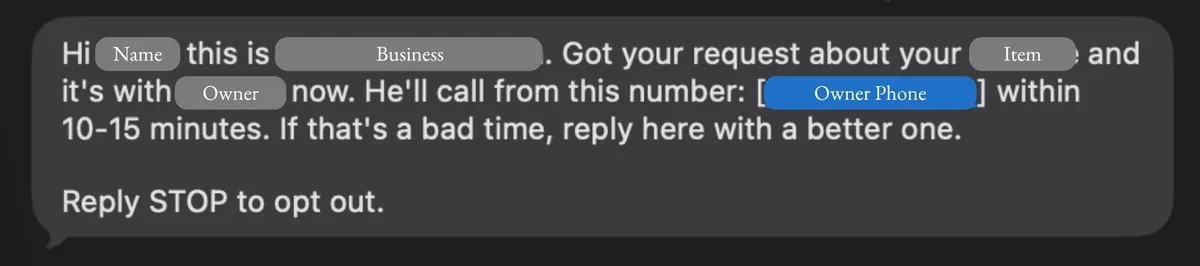
Sent from your numberHi , got your request. He’ll call within 10–15 minutes.
Messagesday 2
Follow-up 2 of 4 sentA new angle. Stops the moment they reply.
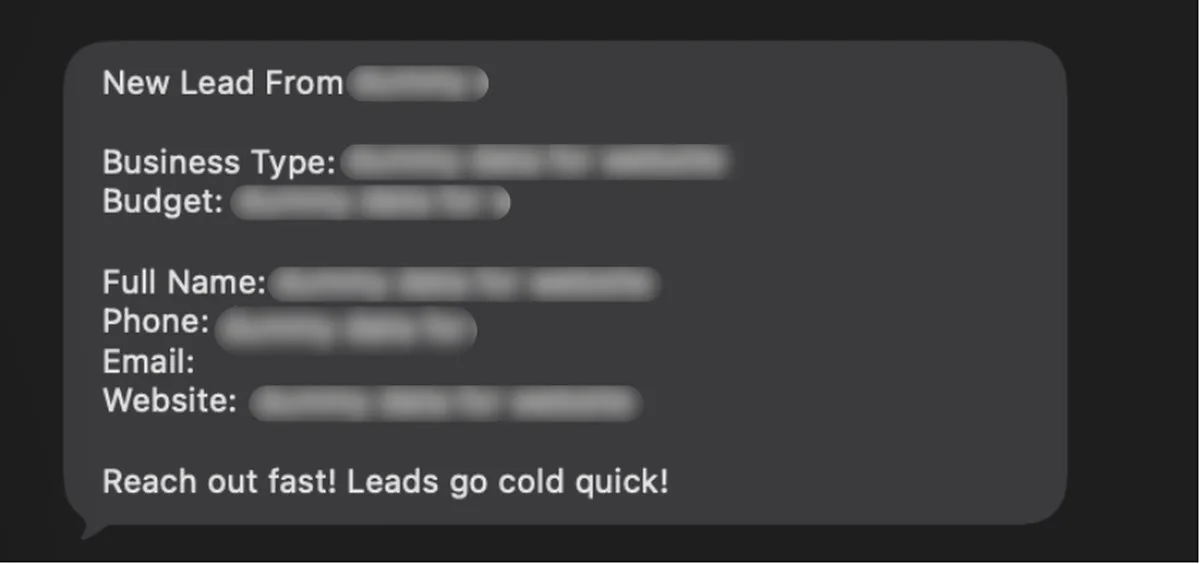
Lead alert, to your phonenow
New lead from your Meta form

Business type:
Name, phone, website:
Reach out fast! Leads go cold quick!

Real message formats, details blurred.

Every part of it, from live accounts.

The campaign, the creative, the form, the alerts. Client names removed, nothing else changed.
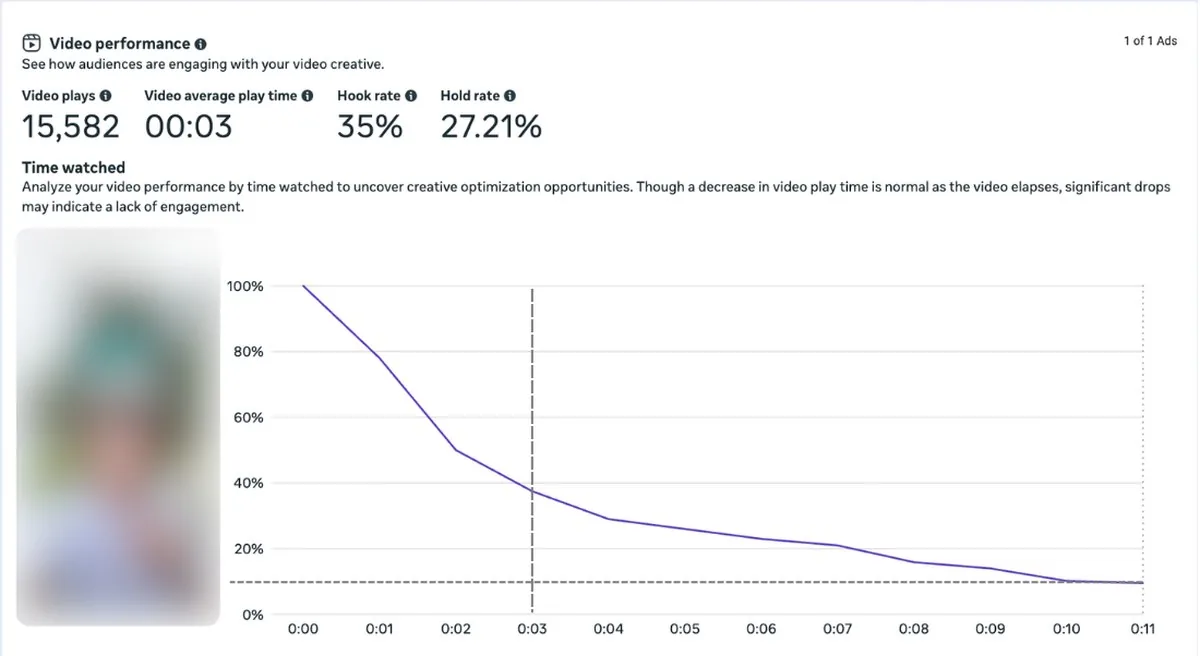
Meta video performance
I read the creative, not just the cost. Hook and hold rates show me where attention dies, so I cut the ad before the budget does.
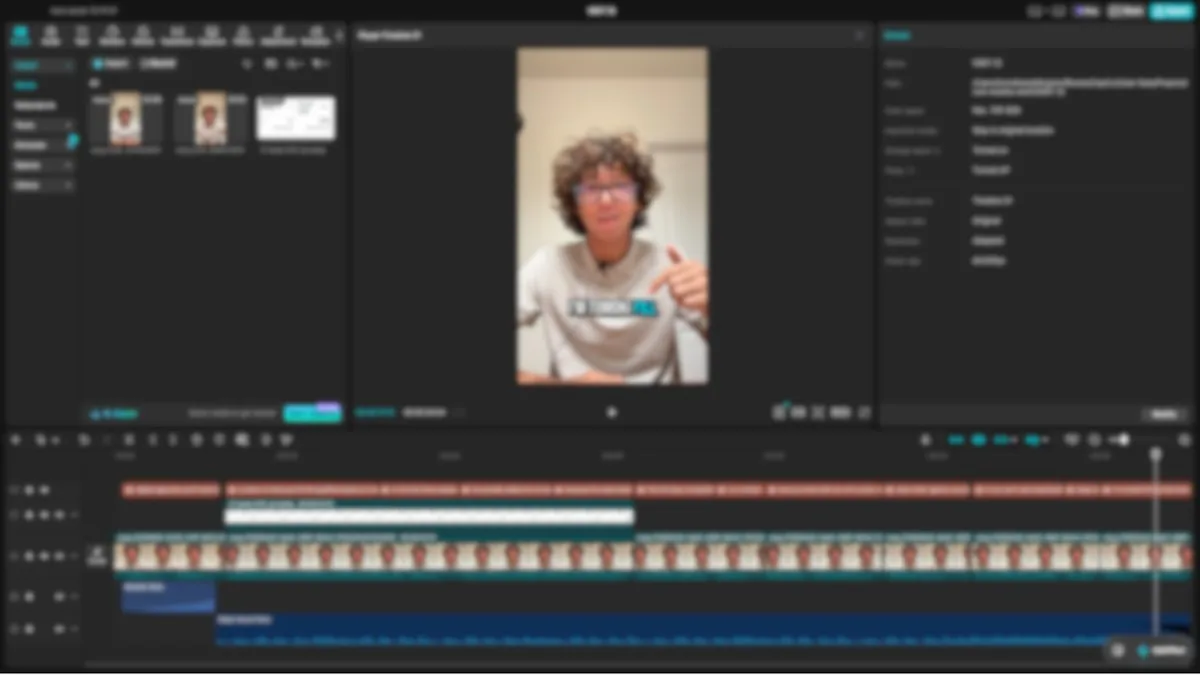
CapCut timeline for a client ad
I write and edit the ads myself. No stock footage, no outsourced editor, no template you’ve seen before.
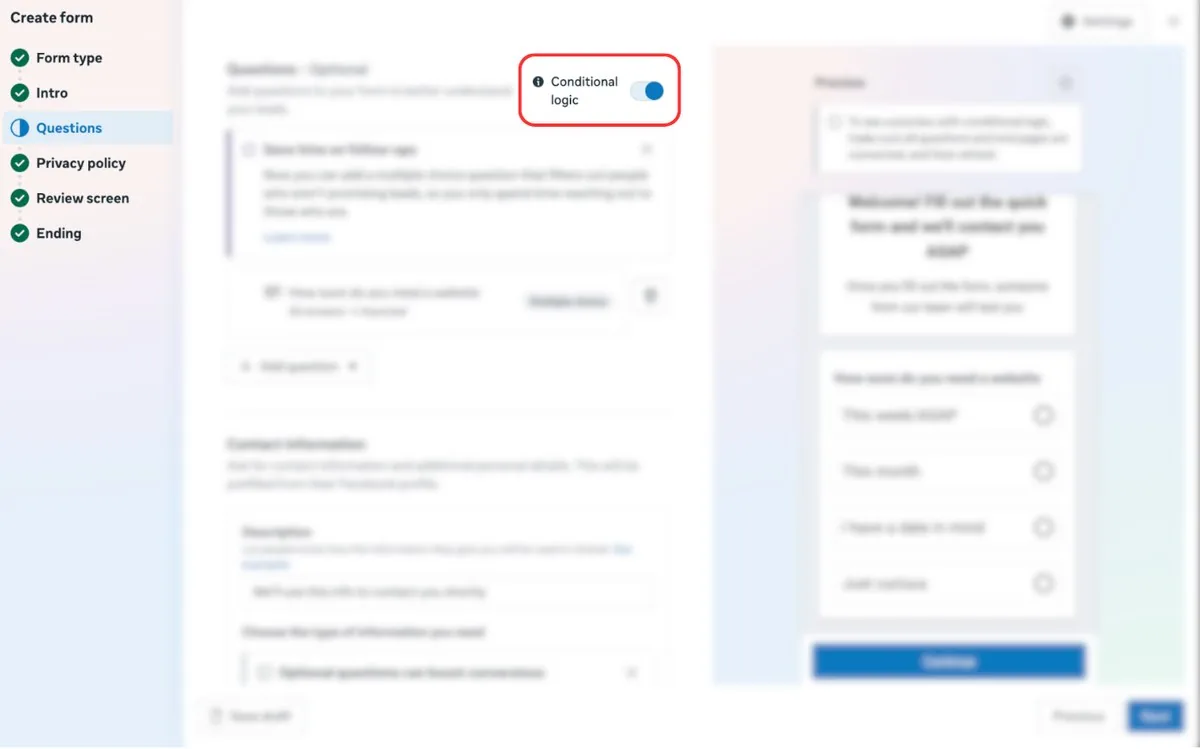
Instant form builder, conditional logic on
I filter out the people you don’t want before they ever count as a lead. Fewer leads, better ones.
Lead alert to the owner's phone
Your lead hits your phone the second they submit, with everything they filled in. You don’t have to log into anything.
Confirmation text the lead gets on submit
Once carriers approve your number, leads who opt in on the form get a text back from it, so they know a human is coming. Keeps the channel warm until you get there.
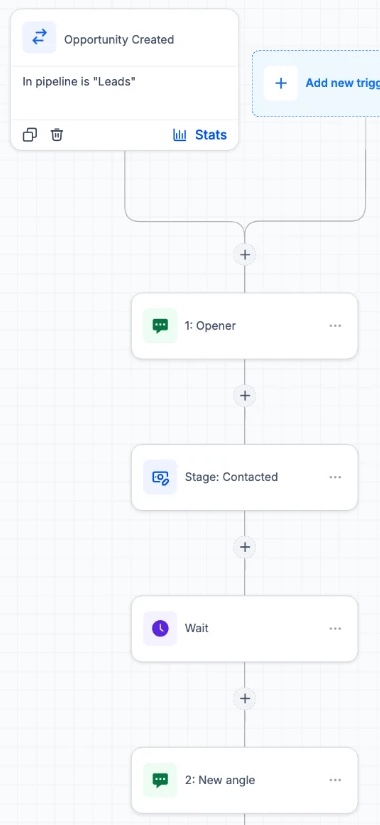
Follow-up workflow: opportunity created, opener text, stage contacted, wait, new angle text
On my higher plans, I build the follow-up too: up to 4 texts over 8 days, each a new angle, stopping the moment they reply.
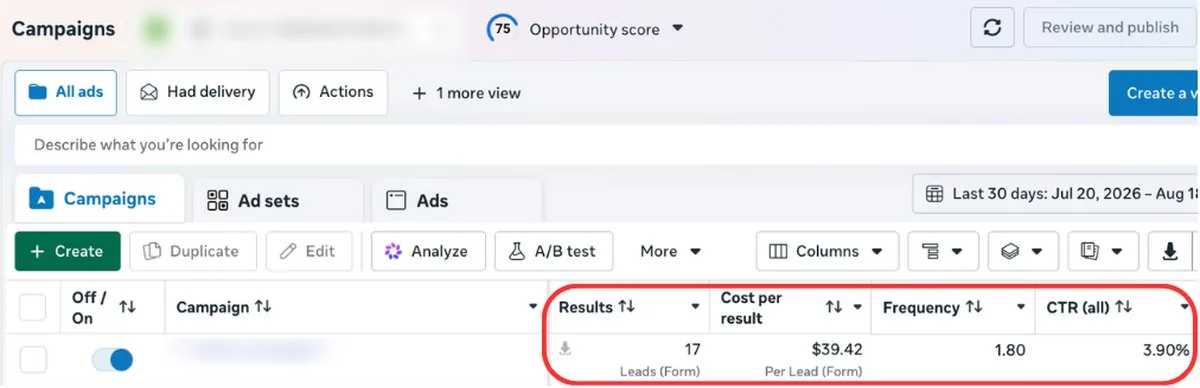
Ads Manager, 17 leads at $39.42
A second client, different market: 17 leads at $39.42. Bigger ticket, higher cost per lead. The number that matters is what a lead is worth to you.

Then it worked too well.

Sheldon runs a web design and SEO agency selling to local business owners. Before I started working with him, he had no inbound pipeline. New business came from cold calling, which he’ll tell you himself really sucked.

I build and run this exact kind of campaign on my own business every day, so I knew the system worked before I pointed it at his. I launched a Meta lead campaign on a modest daily budget, cleared the learning phase fast, and it started producing inside the first week.

Then it worked too well. A couple of weeks in, Sheldon asked me to cut the spend, not because the leads were bad, but because his team couldn’t keep up with the volume. I wound the budget down at his request and delivery stayed stable.

Before we started using Tomoki, we had a big problem. We had no leads coming in for our agency, and doing outbound cold calling really sucked. In less than one week, Tomoki’s ad campaign for us blew up. Now we are literally flooded with leads, and they are very good ones. Our pipeline is so full. Since we are committed to having a very successful agency, I cannot imagine a time where we won’t be working closely with Tomoki for our marketing needs.
Sheldon Hirsch · The Sheldon Agency

These are real figures from one specific campaign, and I can back every number with the Ads Manager screenshot. Cost per lead varies by offer, market, and industry. Yours won’t be identical, but this is what the system is built to do.

Book a call

Twenty minutes. I’ll ask what you sell, who buys it, and what one client is worth to you.

Ads Manager: 60 leads at $10.15 per lead Ads Manager, campaign level. Jul 20 – Aug 18, 2026.

From this conversation to live ads.

Day 0

The call.

Twenty minutes. I need to know what you sell, who actually buys it, and what one client is worth to you. That last number decides almost everything downstream.

Day 0–1

Onboarding.

A short second call where you add me as a partner on your Meta Business Suite, your ad account and your Page, and you sign the agreement. Ad spend stays on your card and goes to Meta directly, never through me. This is the only step that can hold things up, because it needs access I can’t give myself.

Day 1–3

The offer and the creative.

I write the offer and the hook, then film and edit the ads myself. Usually three meaningfully different concepts, not three versions of one, because Meta groups near-identical creative before it ever gets served.

Day 3–4

The form and the alerts.

I build the instant form with the qualifying questions and the disqualifying answers, so the wrong people never reach you. Then I wire the alerts: one to your phone with everything they filled in, one back to the lead so they know a human is coming. Texts only go to leads who tick the consent box on your form, and they start once you’re on a plan: I register your number with US carriers the day you pick one, and approval usually takes two to three weeks. During the trial, the alert to your phone does the job.

Follow-up workflow: opportunity created, opener text, stage contacted, wait, new angle textOn my higher plans, the follow-up workflow I build.
Day 4

Launch.

The campaign goes live. Thirty dollars a day is the floor, not the target: below it Meta never gets enough data to leave cold start. Where yours actually sits depends on what one client is worth to you and how many you want. The first stretch is Meta working out who to show it to, so early numbers move around.

Day 5–30

I work it.

Hook rate, hold rate, cost per lead. I cut what isn’t performing, ship new angles, and tighten the form as real leads come through. You’re calling people inside the first week.

Day 30

You decide.

I walk you through the numbers. If it’s working, you keep going and start paying. If it isn’t, you walk. There’s a signed agreement, but it’s month to month: cancel any time and your ad account, your campaigns and your leads stay with you. Ads that feature me come down within three days.

Book a call

Twenty minutes. I’ll ask what you sell, who buys it, and what one client is worth to you.

The questions people actually ask.

I already get clients through referrals. Why do I need this?
Referrals are great until they’re slow, and you can’t control when the next one shows up. It’s the problem I hear on almost every call: busy enough to stay afloat, never predictable enough to plan around. This puts a second channel underneath the referrals, so your pipeline doesn’t depend on who happens to send you someone this month.
What does it cost?
The first 30 days of my work are free. Ad spend is separate: it goes from your card straight to Meta, never through me, and the floor is thirty dollars a day, trial included. After the 30 days you pick a monthly plan, and I walk you through the options on the call.
What if I’ve been burned by an agency before?
Most people I talk to have. That’s why the first 30 days are free and nothing locks you in. You don’t pay me anything until you’ve seen real leads come through, and if it’s not working, you walk.
I’ve tried Meta ads myself and it didn’t work. What’s different?
Usually what was tried was a boosted post or a broad campaign pointed at a website, which brings clicks and almost no real conversations. What I build is a lead system: a specific offer, creative tested against real hooks, and a form with qualifying questions and disqualifying answers so the wrong people never reach you. Same platform, different machine.
Are your leads expensive?
Compared to the cheapest leads out there, sometimes yes, and on purpose. It’s easy to make leads cheap by loosening the form and letting everyone through, but then you pay less per lead and far more per client, because most never buy. I keep the form tight, so fewer people get through, each costs a little more, and a much higher share actually hire you. The only number that matters is what you pay to land a customer.
What happens after a lead comes in?
The lead goes straight to you, in real time, with their answers from the form. From there you take it: the call, the quote, the close. I generate the demand, you turn it into clients. Nobody sells your work better than you do, and the one thing that matters most is speed, so the faster you follow up, the more of them convert. The texts that go out are written for your business, including how soon you’ll call back.
Who am I actually working with?
Me. No account manager forwarding your emails. I write the offer, cut the video, build the form, wire the alerts, and watch the numbers. When something breaks you text the person who built it.

Ready to start getting leads?

Book a call and I’ll walk through your business, your goals, and whether this is a fit. No pressure, no pitch deck.

Book a call

Twenty minutes. I’ll ask what you sell, who buys it, and what one client is worth to you.